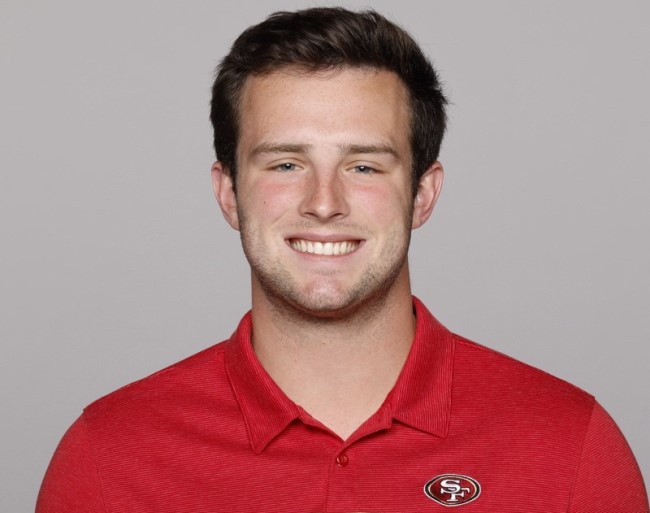
Dana White III is a name that resonates strongly in the world of sports, particularly in mixed martial arts (MMA). While many recognize Dana White as the long-standing president of the Ultimate Fighting Championship (UFC), the story of Dana White III dives deeper into the personal, professional, and often complex life behind the figure who transformed MMA from a niche sport into a global phenomenon. This article explores the biography, career milestones, controversies, and cultural impact of Dana White III, offering a comprehensive look at a man who has become a household name.
| Category | Details |
|---|---|
| Full Name | Dana Frederick White III |
| Date of Birth | July 28, 1969 |
| Place of Birth | Manchester, Connecticut, USA |
| Nationality | American |
| Occupation | Sports Executive, President of UFC, Entrepreneur |
| Years Active | 1999–present (UFC President since 2001) |
| Education | Attended University of Massachusetts Boston (no degree completed) |
| Known For | President of the Ultimate Fighting Championship (UFC), MMA Promotion |
| Key Achievements | – Transforming UFC into a global sports brand – Introducing reality TV platform The Ultimate Fighter – Negotiating major fighter contracts and PPV deals |
| Business Ventures | – UFC Operations & Promotions – Investments in gyms, fitness, and sports media |
| Controversies | – Criticized for fighter contract disputes – Outspoken public persona leading to media controversies |
| Family | Married; has children (specific details private) |
| Hobbies & Interests | Boxing, MMA, fitness, sports promotion |
| Influence & Legacy | Major influence on MMA as a mainstream sport; reshaped sports media and athlete promotion globally |
Early Life and Background
Dana White III was born in the United States and grew up in a working-class environment that shaped his entrepreneurial and ambitious spirit. From a young age, he displayed an interest in sports and competition, which would later influence his career path. Although details about his childhood are sometimes overshadowed by his later achievements, it is clear that the discipline and resilience he developed early on contributed to his success in the high-stakes world of professional sports management.
Growing up, Dana White III faced various challenges, including navigating a competitive social environment and establishing his identity in a world that demanded constant resilience. These early experiences were pivotal in shaping his approach to leadership, negotiation, and promotion.
Career Beginnings
Before rising to prominence as the president of the UFC, Dana White III explored several career avenues. He worked in boxing management, helping to develop fighters and organize events. These early experiences gave him insight into athlete management, promotions, and the financial realities of combat sports.
It was during this period that Dana White III began cultivating relationships with fighters, promoters, and business partners who would later play crucial roles in the transformation of MMA. His ability to spot talent, negotiate contracts, and promote events effectively became a hallmark of his professional identity.
Rise to Prominence: UFC Leadership
The most defining chapter of Dana White III’s career is undoubtedly his tenure as the president of the Ultimate Fighting Championship. Under his leadership, the UFC evolved from a struggling promotion into a multi-billion-dollar sports enterprise recognized worldwide.
Dana White III is credited with several key innovations that revolutionized the sport, including the implementation of structured weight classes, rigorous athlete safety standards, and the development of the UFC’s reality television platform, The Ultimate Fighter. These initiatives not only increased the visibility of the sport but also cultivated a new generation of athletes and fans.
One of the hallmarks of Dana White III’s leadership style is his hands-on approach. He is known for being deeply involved in fight promotion, athlete contracts, and strategic business decisions. His ability to combine charisma, negotiation skills, and business acumen has positioned him as one of the most influential figures in modern sports.
Business Ventures and Entrepreneurship

Beyond the UFC, Dana White III has engaged in multiple business ventures. His entrepreneurial instincts have led him to invest in gyms, fitness programs, and other sports-related enterprises. These ventures reflect his broader vision of creating opportunities for athletes and promoting the growth of combat sports on a global scale.
Dana White III is also recognized for his ability to leverage media and technology to promote sports. From pay-per-view innovations to online streaming partnerships, he has consistently sought to modernize how combat sports are consumed, ensuring that fans have access to high-quality events worldwide.
Controversies and Challenges
Like many high-profile figures, Dana White III has faced controversies throughout his career. Critics have questioned aspects of UFC fighter contracts, promotional tactics, and management decisions. Additionally, his outspoken personality and direct communication style have sometimes led to public disputes.
However, Dana White III has consistently navigated these challenges with resilience, adapting to criticism and using controversy to his advantage in promoting fights and increasing fan engagement. His ability to maintain a strong public presence despite scrutiny demonstrates his unique understanding of media, marketing, and public perception.
Personal Life and Influence
While much of the public focus on Dana White III revolves around his professional achievements, his personal life has also influenced his career trajectory. Family, friendships, and mentorship relationships have shaped his values, leadership style, and approach to business.
Dana White III has often emphasized the importance of loyalty, hard work, and perseverance—principles that resonate not only in sports management but also in broader business and personal contexts. His story serves as an example of how ambition and strategic thinking can redefine an industry.
Legacy and Cultural Impact
The legacy of Dana White III extends far beyond individual fights or events. He is credited with transforming mixed martial arts from a niche sport into a mainstream global entertainment phenomenon.
Through his vision, Dana White III has influenced countless athletes, inspired a new generation of sports entrepreneurs, and reshaped how combat sports are perceived worldwide. His cultural impact is also evident in the way MMA has entered mainstream media, influenced fashion and fitness trends, and created global fan communities.
The story of Dana White III is one of ambition, innovation, and relentless drive. His career offers lessons in leadership, marketing, and perseverance, demonstrating the potential to turn vision into tangible success.
Frequently Asked Questions About Dana White III
Q1: Who is Dana White III?
Dana White III is a prominent sports executive best known as the president of the UFC, who has transformed mixed martial arts into a global phenomenon.
Q2: What is Dana White III’s role in UFC?
He oversees operations, promotes fights, manages fighter contracts, and has been instrumental in the organization’s growth and popularity worldwide.
Q3: Has Dana White III faced controversies?
Yes, like many high-profile figures, he has faced criticism over fighter contracts, promotional tactics, and outspoken public statements, but has managed to maintain influence and success.
Q4: What is Dana White III’s legacy?
His legacy lies in turning MMA into mainstream entertainment, fostering athlete careers, and shaping the sports industry through innovative business practices.
Q5: Does Dana White III have business ventures outside the UFC?
Yes, he has invested in gyms, fitness programs, and media-related projects, leveraging his influence to grow combat sports globally.
Conclusion
Dana White III is more than just a sports executive; he is a transformative figure whose leadership and vision have reshaped the landscape of mixed martial arts. From his early life to his rise as a global sports icon, his journey highlights the importance of perseverance, innovation, and strategic thinking.